Does coercion invalidate consent?

Chloe Ramirez
Updated on March 21, 2026
It is a commonplace that coercion by the recipient of consent renders that consent invalid. It is also commonly held that the pressure of natural misfortunes does not invalidate consent that is given as a result.
Can consent be coerced?
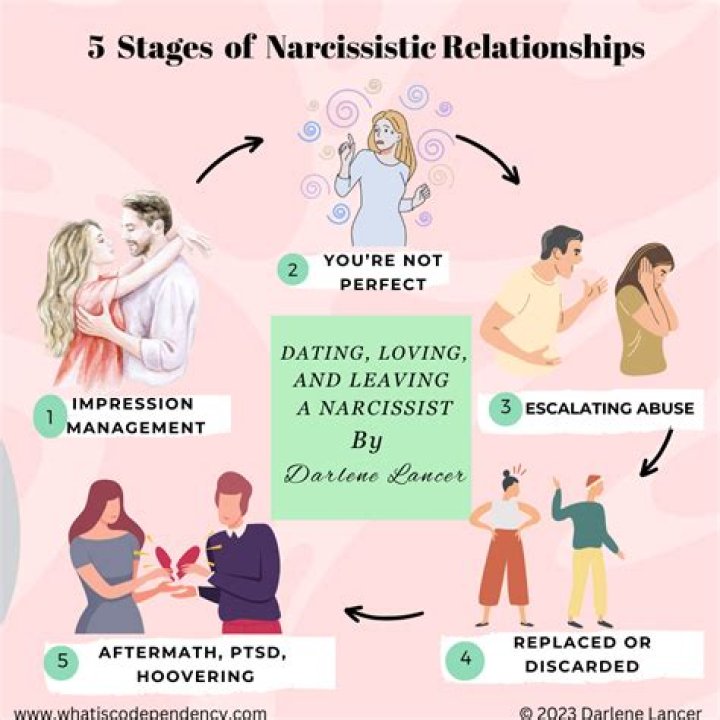
If you don't really want to have sex but agree because you feel obligated or don't want the other person to get mad, you aren't consenting voluntarily. Coercion happens when someone wants you to consent when you've already said no or otherwise expressed disinterest.How is coercion different from consent?
To simplify: Consent means you're giving permission with no hang-ups. Coercion means a person is participating to placate a situation. It's possible for a situation to go from consented to coercive if one person decides they no longer want to go any further but then are guilted into continuing.Is coercion always unethical?
Although its connotations are typically negative, it is arguable that coercion is not necessarily unethical in all cases.What is consent without coercion?
CONSENT DEFINEDInformed consent is freely and voluntarily given, it is mutually understood by all parties involved. If coercion, intimidation, threats, and/or physical force are used, there is no consent.
But I Said Yes: Sexual Coercion & Consent
How does coercion affect consent?
When coercion induces consent to an agreement, the agreement is null and void at the option of the party whose consent is induced. When consent to an agreement is caused by undue influence, it becomes null and void at the discretion of the individual whose consent has been so affected.What is considered coercion?
The statutory definition of coercion is fairly uniform among the states: the use of intimidation or threats to force (or prevent) someone to do something they have a legal right to do (or not to do). Charges typically are enhanced if physical force was used or threatened.Is coercion ever justified?
Coercion is justified (or even required) to the extent that it furthers certain justifiable aims such as self-protection, or the protection of loved ones.What is immoral coercion?
MORAL COERCION Definition & Legal Meaninga term that means to exert extreme pressure on a person to make them do or not do a thing.
What is difference between coercion and undue influence?
Coercion can be defined as an act where force is used as a tool for making a party who is generally unwilling to come into a contract. Undue influence can be defined as an act of influencing the will of a person by another. It is regarded as a criminal offence. It is not regarded as a criminal offence.Does coercion require intent?
There is not a clear distinction between coercion and persuasion but various factors are used to distinguish the two such as intent, the willingness to cause harm, the result of the interaction and the choices available for the person being coerced or persuaded.What are some examples of coercion?
Creating feelings of obligation, rejecting someone from a group, or threatening to disclose a secret are all forms of psychological intimidation. For example, telling a person that intimate private photos of them will be emailed to their company unless they agree to sign a contract would be a form of coercion.What are the 3 types of consent?
- Implied Consent. Participation in a certain situation is sometimes considered proof of consent. ...
- Explicit Consent. ...
- Active Consent. ...
- Passive Consent. ...
- Opt-Out Consent. ...
- Key Takeaway.