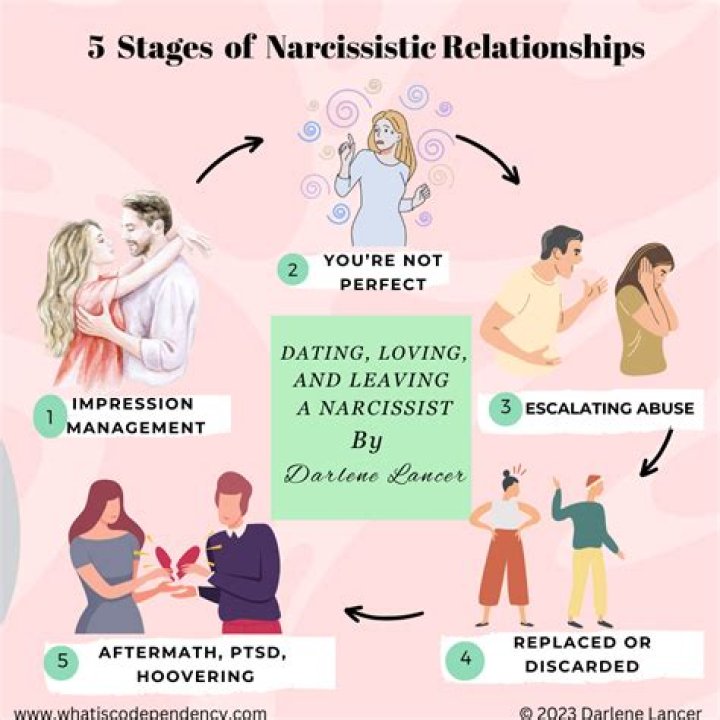
What does emotional abuse do to the brain?

Chloe Ramirez
Updated on March 11, 2026
Emotional abuse is linked to thinning of certain areas of the brain that help you manage emotions and be self-aware — especially the prefrontal cortex and temporal lobe. Epigenetic changes and depression. Research from 2018 has connected childhood abuse to epigenetic brain changes that may cause depression.
Can emotional abuse cause permanent brain damage?
Childhood emotional abuse and neglect can result in permanent changes to the developing human brain. These changes in brain structure appear to be significant enough to potentially cause psychological and emotional problems in adulthood, such as psychological disorders and substance misuse.What are four signs of emotional abuse?
4 Signs of Emotional Abuse
- Humiliation. An abuser may constantly humiliate someone else, alone or in front of other people, says Engel. ...
- Emotional Blackmail. Emotional blackmail is when the abuser threatens to withhold something from the victim unless the victim gives in to their demands. ...
- Gaslighting. ...
- Invasion of Property.
What are the long-term effects of emotional abuse?
Long-term effects of emotional abuse may include but aren't limited to PTSD, depression, anxiety, chronic pain, feelings of guilt and shame, and trouble trusting others or entering new relationships.How does emotional abuse change a person?
In fact, according to one study , severe emotional abuse can be as damaging as physical abuse and contribute to depression and low self-esteem. The study also suggested that emotional abuse may contribute to the development of chronic conditions such as fibromyalgia and chronic fatigue syndrome.What Emotional Abuse Does To Your Brain
What are the 5 signs of emotional abuse?
5 Signs of Emotional Abuse
- They are Hyper-Critical or Judgmental Towards You. ...
- They Ignore Boundaries or Invade Your Privacy. ...
- They are Possessive and/or Controlling. ...
- They are Manipulative. ...
- They Often Dismiss You and Your Feelings.
What are the 7 types of emotional abuse?
Accusing, blaming, and denial
- Jealousy. They accuse you of flirting or cheating, or say you'd spend all your time with them if you truly loved them.
- Using guilt. ...
- Unrealistic expectations. ...
- Goading and blaming. ...
- Denying the abuse. ...
- Trivializing. ...
- Blaming you for their problems. ...
- Destroying and denying.
Can you have PTSD from emotional abuse?
Does emotional abuse lead to post-traumatic stress disorder (PTSD)? Emotional abuse doesn't always lead to PTSD, but it can. PTSD can develop after a frightening or shocking event. Your doctor may make a PTSD diagnosis if you experience high levels of stress or fear over a long period of time.Is emotional abuse damaging?
Emotional abuse, like physical abuse, can have long-term effects on the brain and body. In fact, according to one study, severe emotional abuse can be as damaging as physical abuse and contribute to depression and low self-esteem.Can emotional abuse cause bipolar disorder?
When the researchers looked further, they found that only emotional abuse was associated with bipolar disorder. Regression analysis showed that children who were emotionally abused were more than twice as likely to develop bipolar disorder (odds ratio [OR], 2.14; 95% confidence interval [CI], 1.51 - 3.02).What is considered examples of emotional abuse?
Emotional abuse can involve any of the following: Verbal abuse: yelling at you, insulting you or swearing at you. Rejection: constantly rejecting your thoughts, ideas and opinions. Gaslighting: making you doubt your own feelings and thoughts, and even your sanity, by manipulating the truth.What are the signs of gaslighting?
Signs of gaslighting
- insist you said or did things you know you didn't do.
- deny or scoff at your recollection of events.
- call you “too sensitive” or “crazy” when you express your needs or concerns.
- express doubts to others about your feelings, behavior, and state of mind.
- twisting or retelling events to shift blame to you.